
Food safety notes / Storage & temperature
A more organised fridge. A safer kitchen routine.
A practical introduction to chilled food, clear labelling and keeping raw and ready-to-eat ingredients apart.
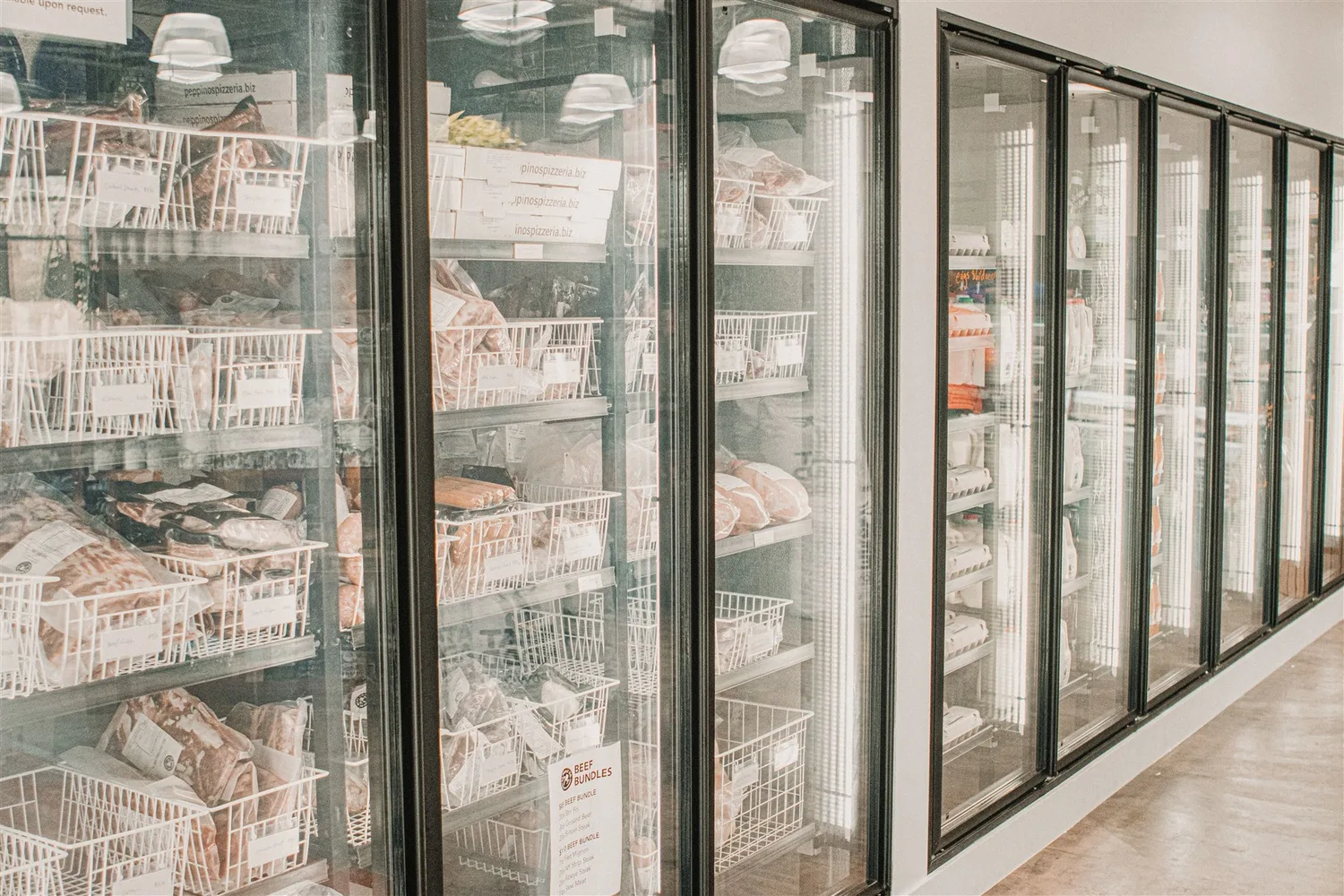
The fridge is part of the kitchen’s working routine, not just a place to put deliveries. Temperature, separation and clear identification all deserve attention. An organised space also makes ingredients easier to identify and handle safely.
Start with the right temperature
Official guidance recommends setting a fridge at 5°C or below so food stays cold enough when temperatures fluctuate. In England, chilled food must generally be kept at 8°C or below. Foods needing chilling include cooked dishes, prepared salads and products with a use-by date. Follow any stricter product-specific storage instructions.
Further reading: Official business guidance on chilling and freezing
Keep separation visible
Use containers suitable for food contact that protect their contents from contamination. Keep raw food in a separate fridge where possible, or below ready-to-eat food in a shared fridge. Label ingredients clearly, particularly those containing allergens, and maintain appropriate temperatures during transport as well as storage.
Further reading: Official guidance on food storage and transport
Plan ahead when freezing and defrosting
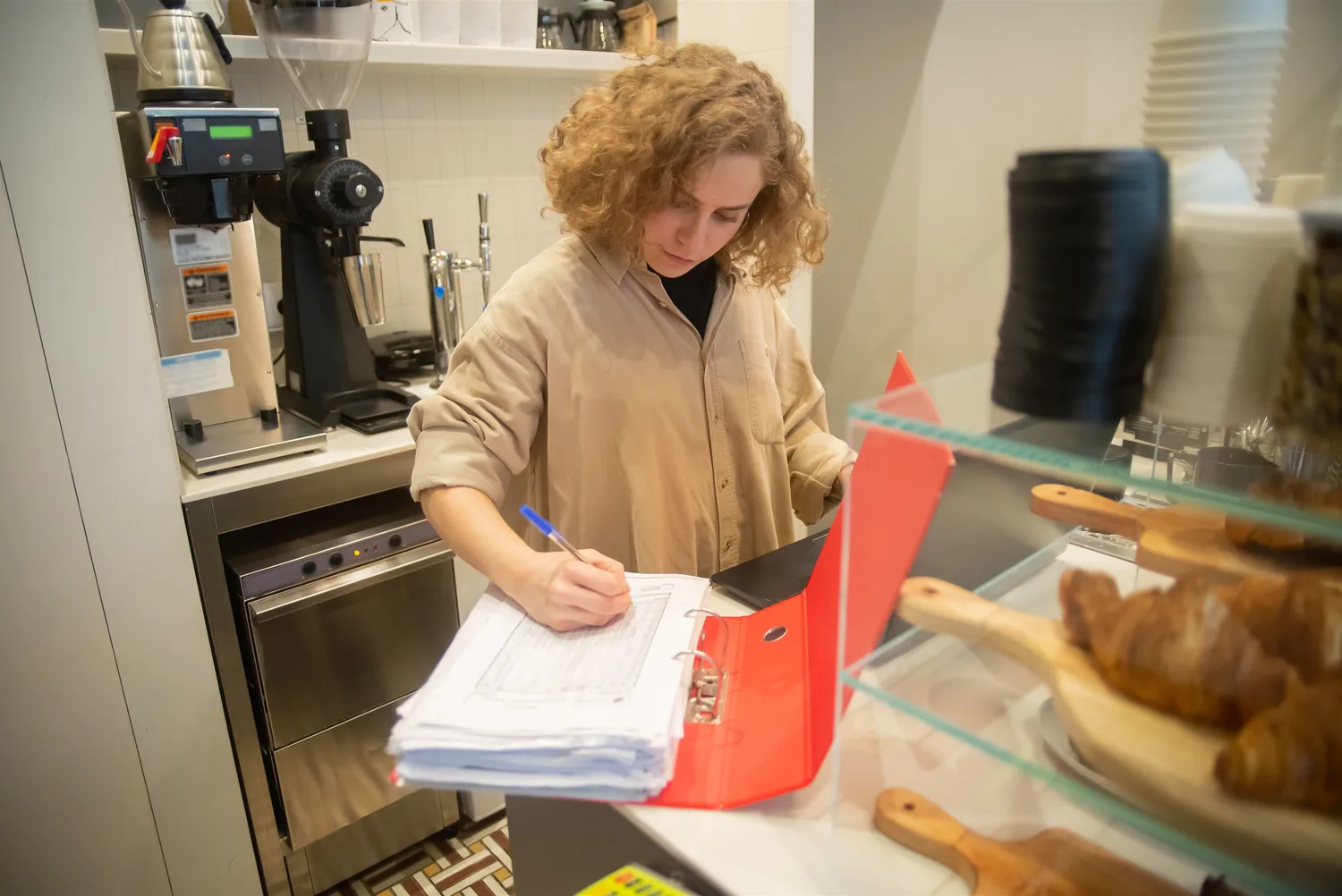
Put frozen deliveries into the freezer promptly. Label food when freezing it and record the freezing date. Defrost in the fridge where possible, and fully defrost before cooking unless the manufacturer says to cook from frozen. Do not treat freezing as a way to rescue food that is already unsafe.
Further reading: Official business guidance on freezing and defrosting
Make checks useful to the next person
Agree who checks storage conditions and how concerns are passed on. A reading or note is most useful when someone knows what action to take. Review your checks alongside your existing food safety procedures, so they reflect the foods and equipment you actually use.
Put it into practice
Think beyond the fridge dial: check how food is identified, separated and handled throughout the day.
Need a closer look at your kitchen?
Edible Delights can review everyday practices and help put practical improvements into action.
Discuss Your Kitchen